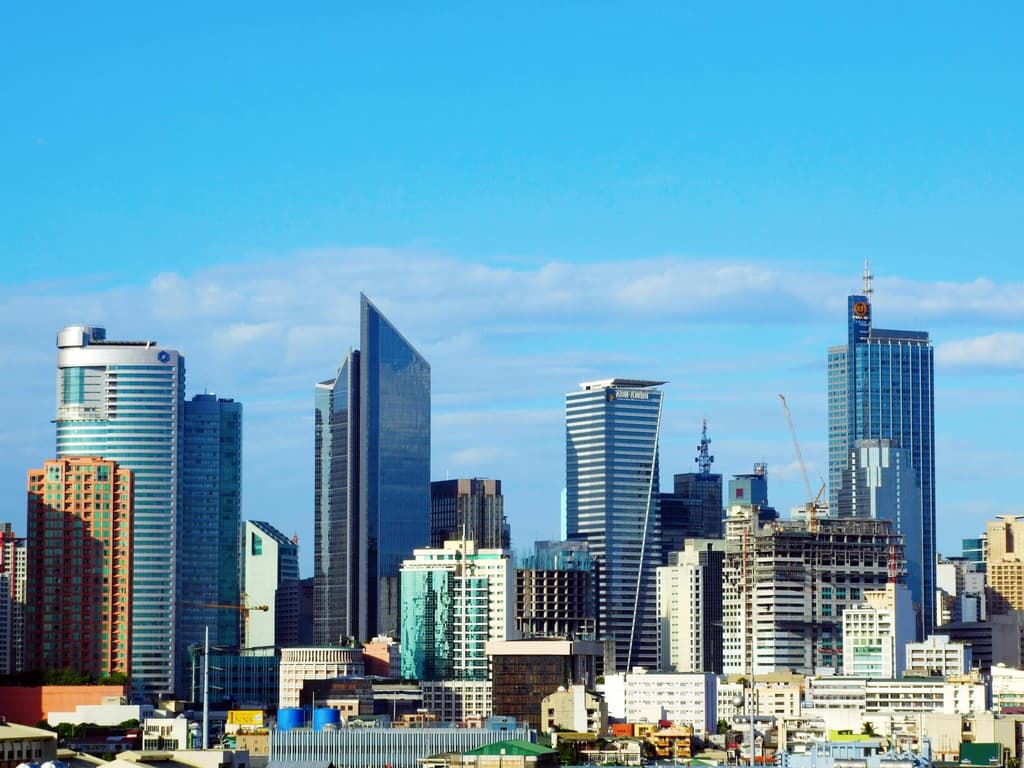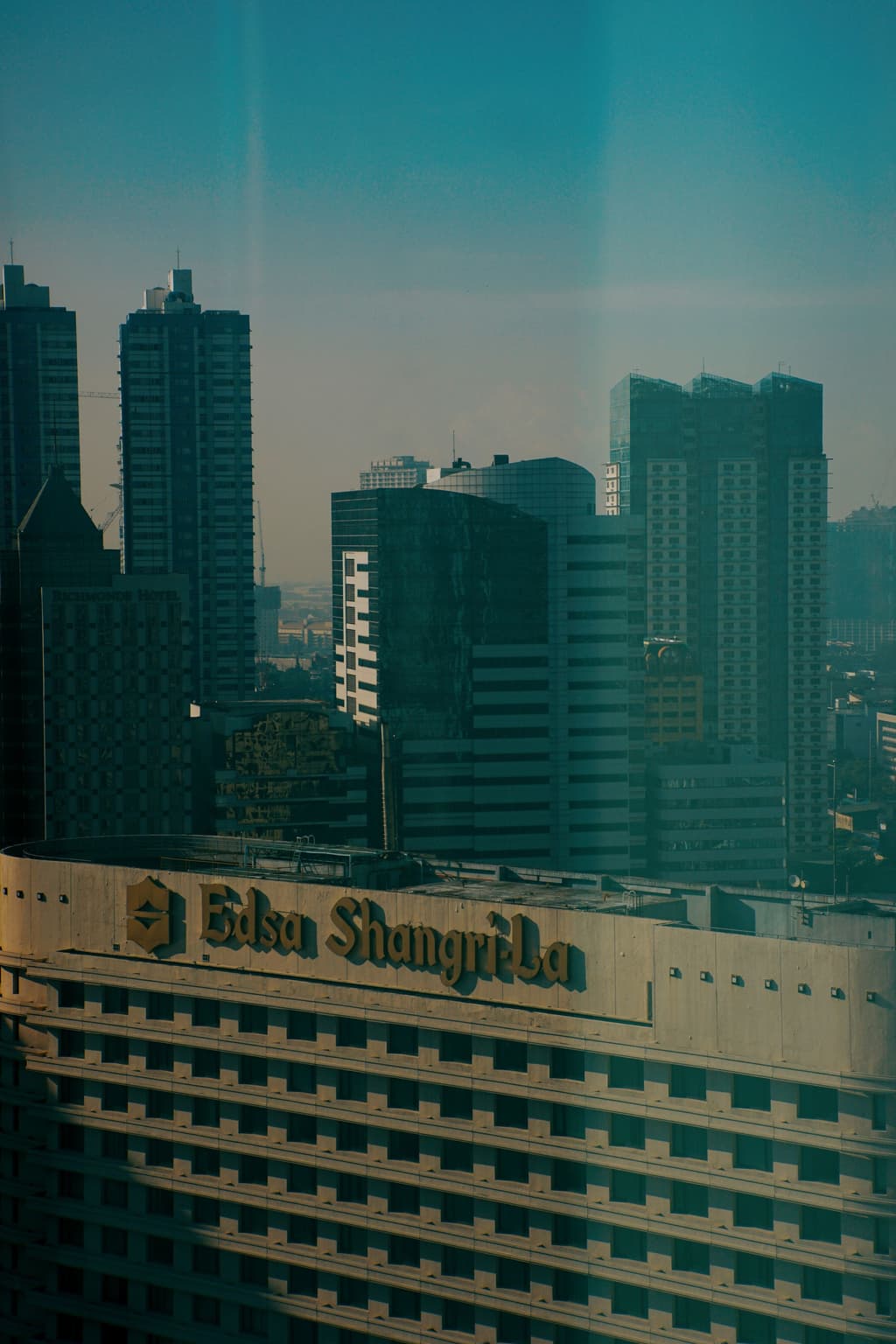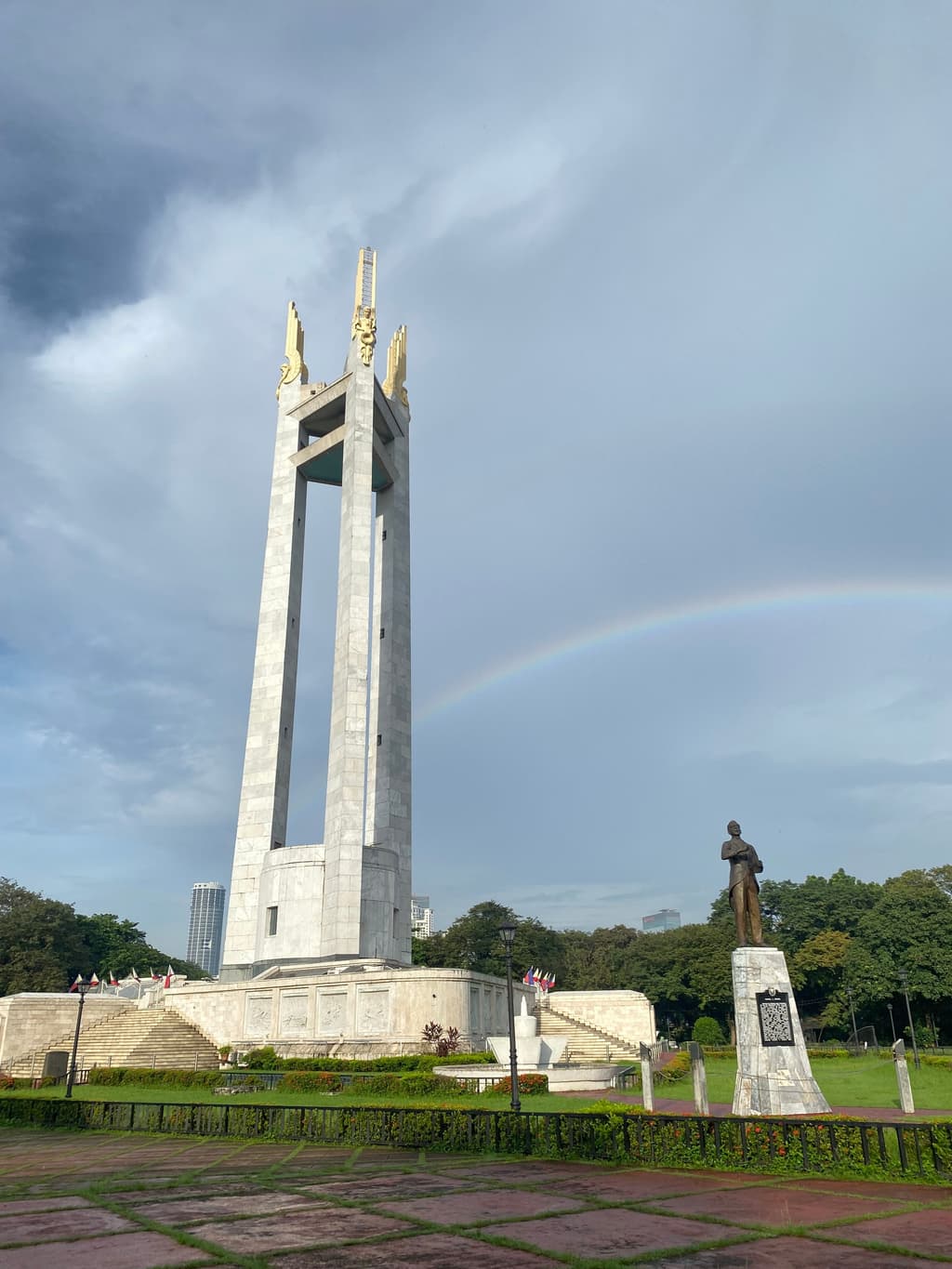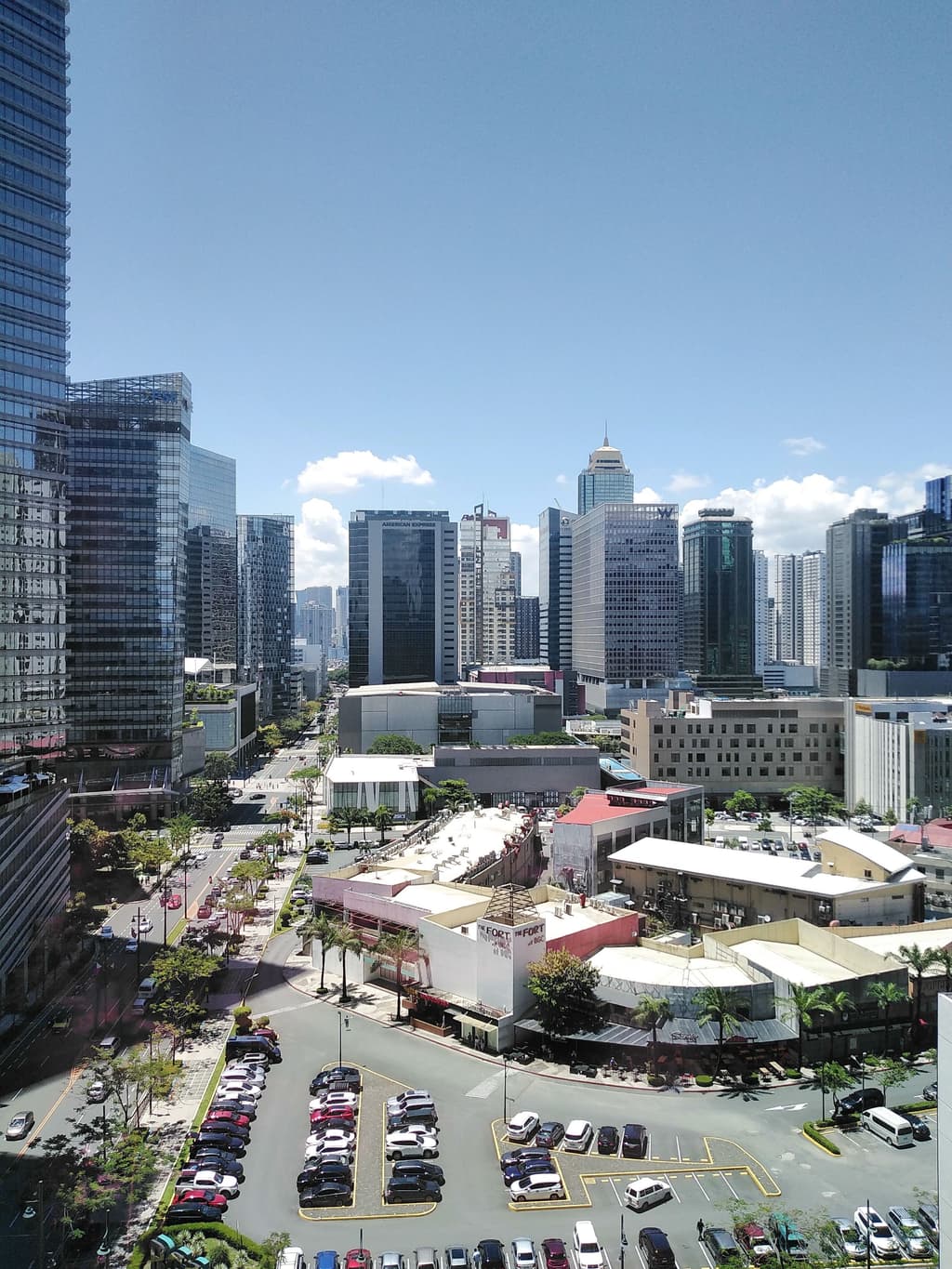

Philippines real estate offers foreign condo ownership through the Condominium Act, a 24.7% metro vacancy rate creating a buyer's market, and 5-7% gross yields in Cebu's IT corridor.
Pre-construction and ready-to-deliver properties from developers who have passed our vetting standard.
The Philippines real estate market permits foreign condo ownership up to 40% of units per building. Metro Manila's 24.7% vacancy rate and ~75,000 unsold units create significant buyer leverage, with developers offering aggressive discounts on ready-for-occupancy stock. Outside the capital, Cebu delivers the country's strongest risk-adjusted yields at 5-7% gross.
Avg. price per sqm (Metro Manila) [ESTIMATE]
Gross rental yields (Cebu IT Park)
Foreign ownership cap per building
Metro Manila condo vacancy rate
Understanding the legal framework is essential for any investment in Philippines Real Estate. Here are the key structures and processes.
Foreign nationals may own condominium units outright, provided foreign ownership does not exceed 40% of total units in any single building. This is the primary and most straightforward path for US investors. Title is issued as a Condominium Certificate of Title (CCT) in the buyer's name. Always verify the current foreign ownership percentage with the condominium corporation before committing funds, as popular buildings in BGC, Makati, and Cebu IT Park frequently approach the cap.
The 1987 Philippine Constitution prohibits foreign nationals from owning land. This is a constitutional restriction, not a legislative one, meaning it cannot be changed by ordinary law. Foreigners may lease land for up to 99 years under RA 12252 (2025), but this applies to commercial, industrial, and tourism investments only, not residential purchases. A 60/40 Filipino corporation can own land, but Anti-Dummy Law penalties are severe.
The Special Resident Retiree's Visa provides indefinite residency for foreign nationals aged 40+ with a qualifying bank deposit ($15,000-$50,000 depending on age and pension status). SRRV holders may convert their deposit to purchase a PRA-approved condo. The visa grants multiple entry/exit privileges, eliminates renewal requirements, and provides a stable legal base for property investment and management.
International buying has a few moving parts in every market. Here is what to consider in Philippines Real Estate, and the standard every developer clears before we list them.
Not every market fits every investor. These profiles are where Philippines Real Estate has the strongest alignment between market fundamentals and investor goals.
Phase 1 pricing advantages, rapid appreciation during build, high post-delivery yields.
Explore strategy →Hard assets in non-correlated emerging markets. Inflation hedge and currency diversification.
Explore strategy →Personal use combined with short-term rental income. Curated beachfront and resort developments.
Explore strategy →A side-by-side on the metrics that matter against markets a Philippines Real Estate investor is likely also evaluating. Current data, no spin.
| Metric | Philippines Real Estate | US Real Estate | Mexico Real Estate |
|---|---|---|---|
| Avg. price per sqm | $3,500 | $494K | $3,600 |
| Annual appreciation | 5-7% | $56B | 12% |
| Foreign ownership | Condo only (40% foreign limit) | Direct ownership (FIRPTA applies) | Fideicomiso trust required |
| Tax/Visa advantage | SRRV retirement visa available | Safe-haven stability | Low property tax (~0.19%) |
| Best for | Pre-construction, diversification | Diversification, pre-construction | Pre-construction, lifestyle |
Yes, but only condominiums. The Constitution prohibits foreign land ownership. Buying property in the Philippines as a foreigner is limited to condo units under the Condominium Act (RA 4726), provided the building has not exceeded its 40% foreign ownership cap. Title is issued directly in the buyer's name. The buying process takes 2-4 months for straightforward transactions. Total buyer-side closing costs run approximately 3-5.5% of purchase price, including documentary stamp tax, transfer tax, registration, and notarial fees.
Yields vary significantly by location. Metro Manila CBD condos (Makati, BGC) yield 3-5% gross, compressed by high purchase prices and 24.7% metro vacancy. Quezon City and Mandaluyong deliver 4-6% at lower entry points. Cebu IT Park offers the strongest returns at 5-7% gross, with premium furnished units reaching 8-10%. Net yields after association dues, property tax, vacancy, and management fees typically run 1.5-2% below gross figures.
Every developer on our platform has passed our vetting standard: completed project history, buyer infrastructure, design and build quality, market reputation, and community amenities. In the Philippines specifically, DHSUD licensing, the developer's delivery-timeline history (delays of 1-3 years are common), and the building's standing against the 40% foreign-ownership cap are key local checks. We focus on established Tier 1 developers with a strong delivery record.
The US-Philippines tax treaty prevents double taxation. Philippine rental income is taxed at 3% (under PHP 3M gross) or 25% flat rate for non-resident aliens. US taxpayers offset this via the Foreign Tax Credit (Form 1116). Capital gains tax is 6% on the higher of selling price, zonal value, or fair market value. Philippine estate tax of 6% applies to local property. US persons with Philippine bank accounts over $10,000 must file FBAR. Engage a cross-border tax advisor before purchasing.
No pressure, no obligation. Just a confidential conversation about your investment goals.